
A Local’s Guide to Eco-Friendly Carpentry in Little Elm


Introduction to Eco-Friendly Carpentry
Little Elm, with its serene landscapes and growing community, is an ideal place to embrace eco-friendly carpentry. As more people become environmentally conscious, understanding sustainable practices in carpentry is essential. Whether you’re a seasoned carpenter or a DIY enthusiast, there are numerous ways to integrate eco-friendly techniques into your projects.
Choosing Sustainable Materials
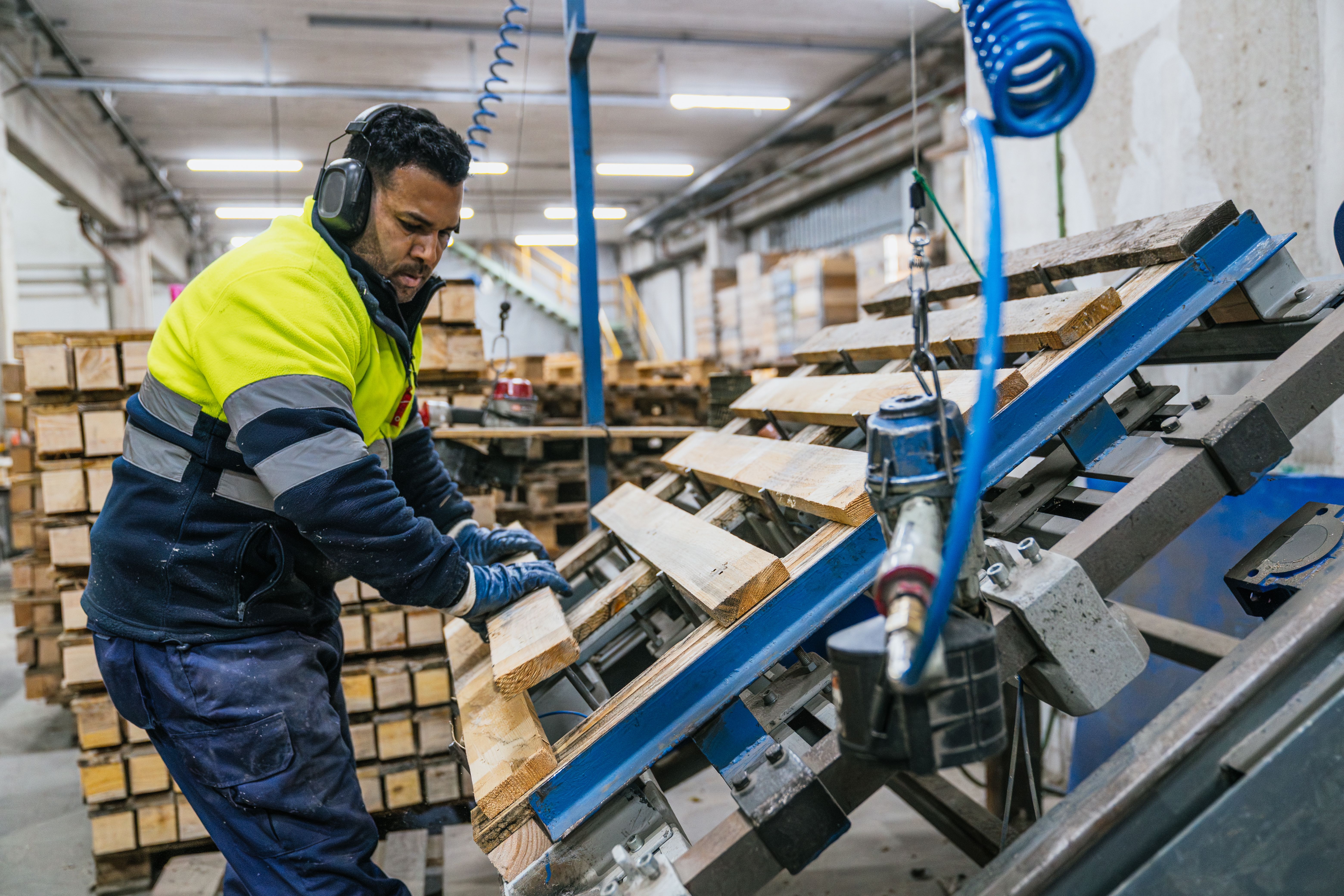
One of the first steps in eco-friendly carpentry is selecting sustainable materials. Look for wood that is certified by the Forest Stewardship Council (FSC), which ensures the wood is sourced responsibly. Bamboo and reclaimed wood are also excellent alternatives, offering durability while minimizing environmental impact.
Additionally, consider using recycled materials wherever possible. Not only does this reduce waste, but it also adds a unique character to your creations. By opting for these materials, you contribute to a healthier planet and create pieces that tell a story.
Adopting Green Building Techniques
Green building techniques are crucial for reducing the environmental impact of carpentry projects. Start by minimizing waste during the construction process. Precise measurements and cuts can help reduce the amount of leftover material. Composting or recycling scraps instead of discarding them is another effective strategy.

Furthermore, using non-toxic finishes and adhesives can significantly reduce harmful emissions in your workspace. Water-based stains and low-VOC (volatile organic compound) paints are excellent choices for maintaining air quality.
Energy-Efficient Tools and Practices
Investing in energy-efficient tools is another way to make your carpentry work more sustainable. Tools powered by renewable energy sources, such as solar panels, can greatly reduce your carbon footprint. Additionally, maintaining and repairing tools instead of replacing them extends their life and reduces waste.
Embrace practices such as working during daylight hours to minimize artificial lighting needs. Simple changes like these not only save energy but can also enhance the quality of your work by using natural light.

Supporting Local Eco-Friendly Businesses
Little Elm boasts a variety of local businesses that prioritize sustainability. By supporting these businesses, you can find eco-friendly materials and tools while contributing to the local economy. Look for carpentry workshops or stores that focus on sustainable practices and offer products aligned with your values.
Moreover, engaging with local businesses provides opportunities to exchange ideas and learn from others who share your commitment to eco-friendly practices.
Conclusion
Embracing eco-friendly carpentry in Little Elm is not only beneficial for the environment but also enriches the community. By selecting sustainable materials, adopting green building techniques, using energy-efficient tools, and supporting local businesses, you can make a significant positive impact. Join the movement towards sustainability and craft beautiful, environmentally-friendly creations.