
DIY vs. Professional Carpentry: When to Call a Carpenter Near You


Understanding the Basics of Carpentry
Carpentry is a versatile skill that can transform your home, from building custom furniture to remodeling entire rooms. It's essential to understand when to tackle a project yourself and when to call in a professional. DIY carpentry can be rewarding but also challenging, depending on the complexity of the task.
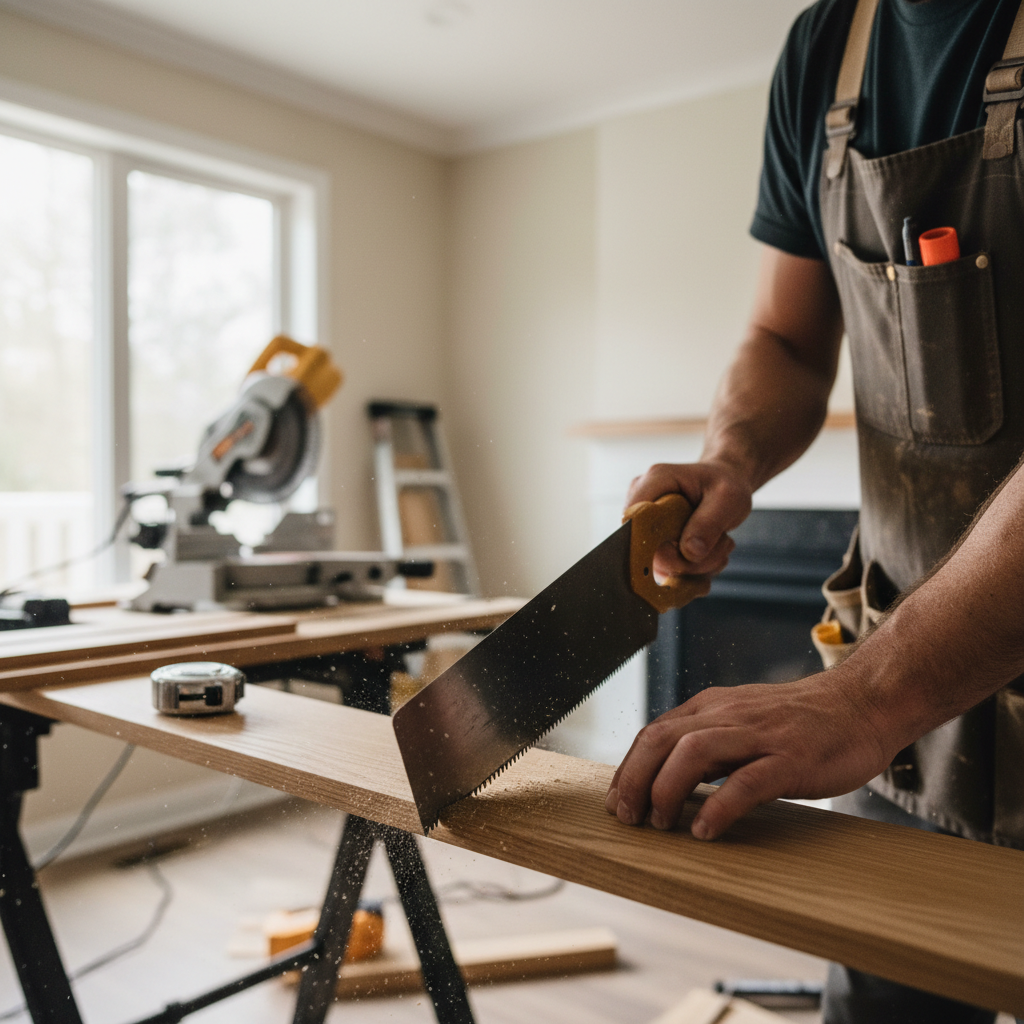
When DIY Carpentry Makes Sense
For simple projects like building a bookshelf or creating a small outdoor deck, DIY carpentry can be a satisfying and cost-effective solution. These tasks typically require basic tools and skills, which you can easily learn through online tutorials or workshops.
Before you start, consider the following:
- Your skill level and experience
- The tools you have access to
- The time commitment required
If you feel confident in these areas, DIY might be the right choice for you.
Benefits of Hiring a Professional Carpenter
There are scenarios where hiring a professional carpenter is the best option. Complex projects, such as structural renovations or intricate cabinetry, require expertise that only trained professionals possess. Their skills ensure precision and adherence to safety standards, which are crucial for long-term durability.
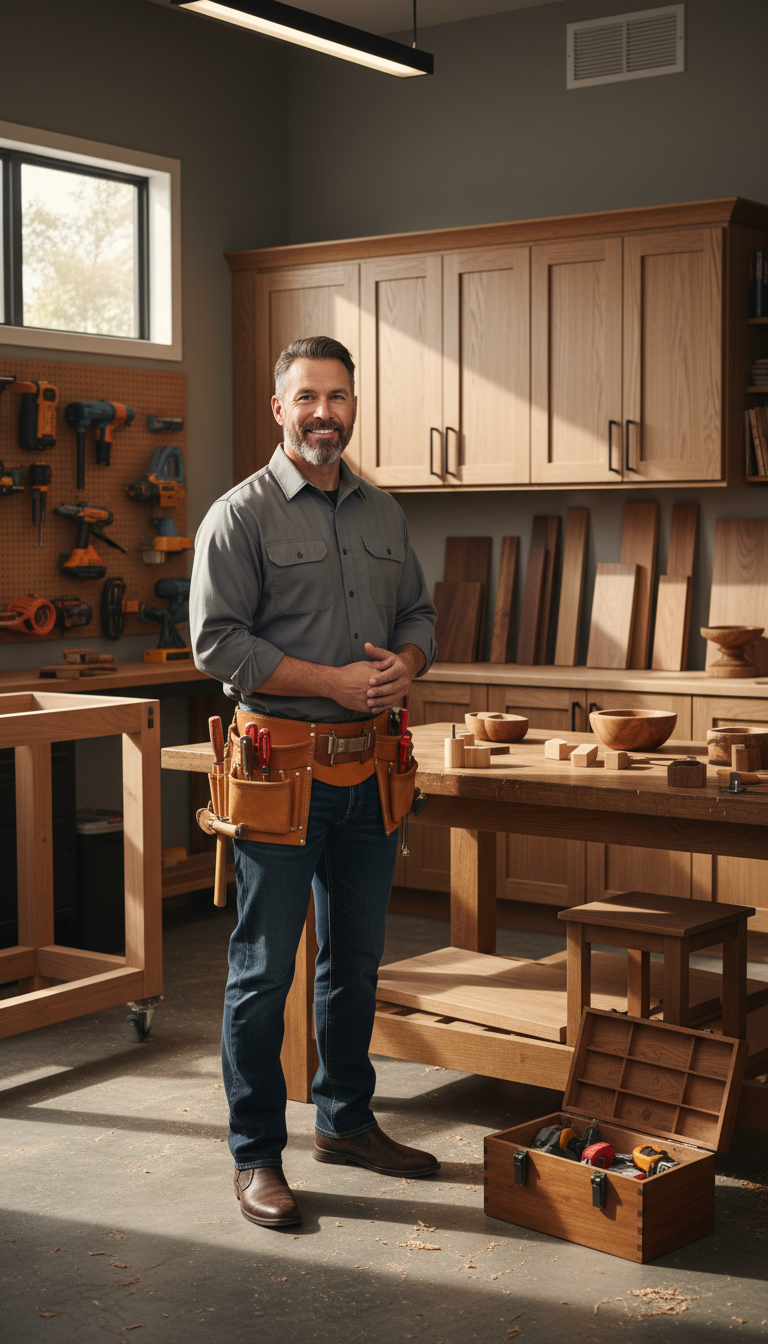
Some advantages of hiring a professional include:
- Access to specialized tools and equipment
- Expert craftsmanship and attention to detail
- Time efficiency, allowing you to focus on other tasks
Common Pitfalls of DIY Carpentry
While DIY projects can be fulfilling, they come with potential pitfalls. Mistakes can lead to costly repairs, wasted materials, and even safety hazards. It's crucial to evaluate your project realistically and avoid underestimating its complexity.
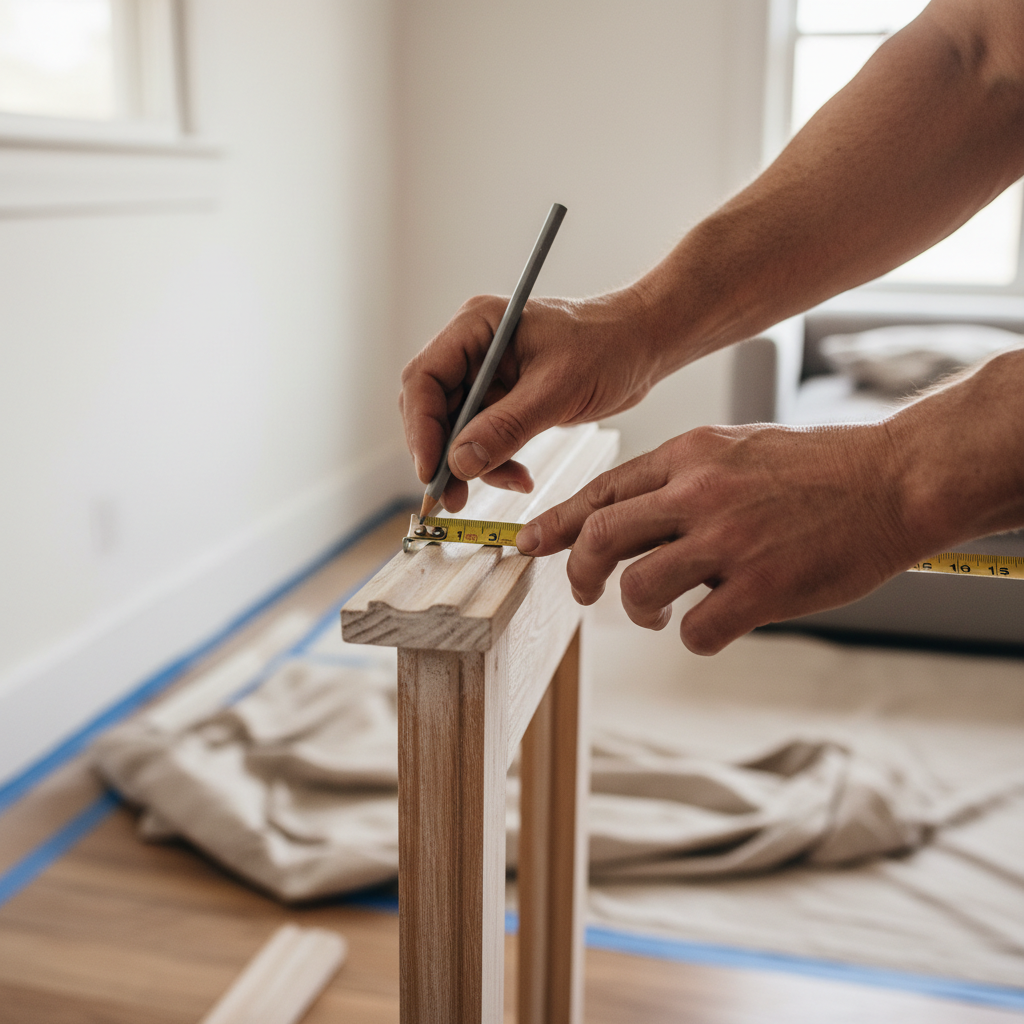
Evaluating Costs: DIY vs. Professional
Cost is a significant factor when deciding between DIY and professional carpentry. While DIY might seem cheaper upfront, unforeseen expenses like tool purchases or material waste can add up. On the other hand, hiring a professional might have a higher initial cost but often results in a more polished, durable outcome.
Consider getting quotes from local carpenters for a realistic comparison. This can help you weigh the benefits and make an informed decision.
Safety Considerations in Carpentry
Safety should always be a top priority. DIY enthusiasts must follow proper safety protocols, such as wearing protective gear and ensuring a safe working environment. Professional carpenters are trained to handle tools and materials safely, reducing the risk of accidents.
In conclusion, deciding between DIY and professional carpentry involves assessing your skills, the project's complexity, and the potential costs. Whether you choose to go it alone or call in an expert, understanding these factors will lead to more successful outcomes and enhance your home's value.